
Powerful academic appraisal of life at sea
Sea-Time: an ethnographic adventure, by Helen Sampson
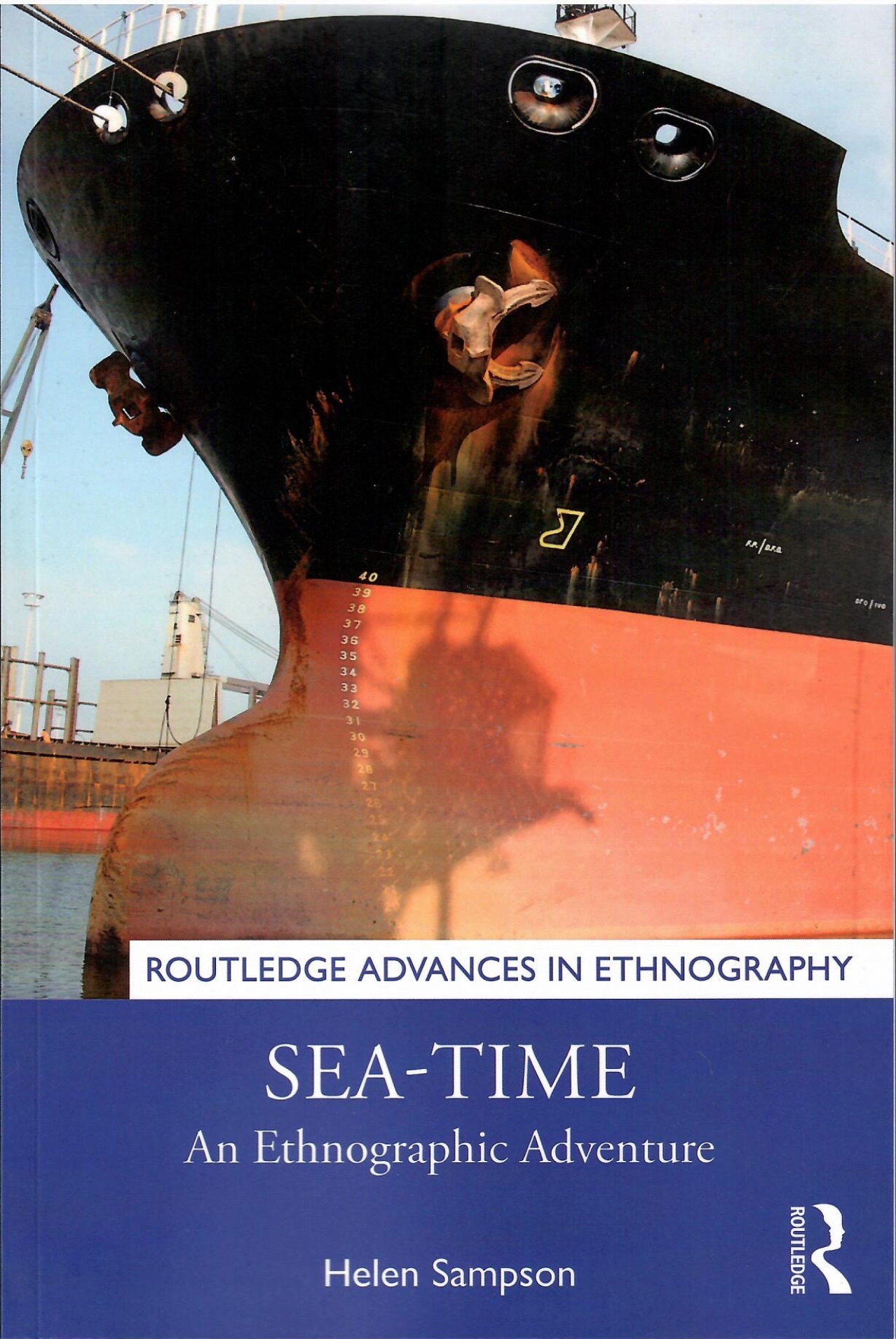 Few people have done more than Professor Helen Sampson to raise awareness and understanding of the lives of the world's seafarers. In almost one-quarter of a century of pioneering work for the Seafarers International Research Centre, she has not only delivered important research reports but also fostered a much deeper perception of the actions, emotions and motivations of maritime professionals.
In Sea-Time: An Ethnographic Adventure, she distils her experiences of nine varied voyages gathering in-depth observation and analysis of seafarers at work – reflecting not only upon her research results, but also on what they have taught her and what more could be done to improve their lives.
Sampson's book is frank and vivid – and from the frustrating uncertainties over the dates of joining and departing a vessel to the difficulties of sleeping on the uncomfortable mattresses supplied to many ships, she offers genuine insight into the realities of life onboard.
Sampson notes how much has changed since her first voyage: most notably the way in which the post-9/11 security rules have eroded already limited opportunities to go ashore. She also highlights the way in which increased shore-based control of shipping operations has seen the skills and experience of seafarers devalued by endless paperwork, checklists and a strict compliance culture.
She is honest about the challenges she faced during her research – ranging from sexual harassment to wilfully obstructive shipmasters – and the book describes the sometimes difficult process of gaining the trust of seafarers often reluctant to share their feelings.
Especially powerful passages capture the rhythms of shipboard life, veering from frantic time in port to the more predictable patterns of being out at sea. This leads into some profound reflections about the way seafarers handle their odd relationship with time: sea-time, shore time, 'free' time, and the impact of time zone changes onboard.
Warning that shipping has 'lost its rock and roll', Sampson tells of the stress felt by seafarers facing regulatory requirements exposing them to criminal sanctions. And she notes how the rights of seafarers were so swiftly dumped in the drive to keep global supply chains running during the Covid pandemic.
It would be easy to become depressed by Sampson's haunting and humane portrayals of the damaging impact all this has had upon so many seafarers. But the book concludes with her timely and thoughtful list of ways in which 'motivated companies' could make a real difference to their lives.
- Listen to Professor Helen Sampson and Nautilus Council member Captain Stephen Gudgeon in the BBC World Service documentary Hungry at sea (available until April 2025)
Sea-Time: An Ethnographic Adventure
By Helen Sampson
Routledge, £35.99
ISBN: 978 10325 76060
Buy this book in the Nautilus Bookshop
While you're there, why not browse the rest of the titles in our unique maritime bookshop, which sells all the books reviewed on these pages.
Buy nowMore Books
How to 'make it' in the superyacht industry
Superyacht Success, by Brendan O'ShannassyBack in 2022, we reviewed Brendan O'Shannassy's memoir Superyacht Captain. Now Capt O'Shannassy has returned with a new book that focuses on how crew can navigate their careers.
Radio revelry
Barques, Sparks and Sharks, by Len WilsonSeafarers are known for their story-telling abilities, and Orkney-born Len Wilson does not disappoint in this memoir of his years as a radio officer
Mastering our harbours
Harbours and Their Masters, by Mark Ashley-MillerNovice skipper Mark Ashley-Miller recently spent five years circumnavigating the UK and Ireland as a charity challenge – interviewing and photographing the harbour masters he met along the way.
The precarious path from piracy to prosperity
The Resurrected Pirate, by Craig S ChapmanThe Resurrected Pirate is a remarkable story told in an engaging way, illustrating for the modern reader the desperately narrow passage between life and death that a seafarer in this period might have to navigate.